
Craps big 6 big 8 explained properly starts with the maths and the floor reality, not the neon gloss. These two side bets look friendly on a busy table, but they carry a steady house edge that matters for both the guest’s wallet and the operator’s labour model. Below I break down how the bets actually work, where they fit in a session, and what responsible-play expectations look like in an Australian context.
How the Bets Work on the Table
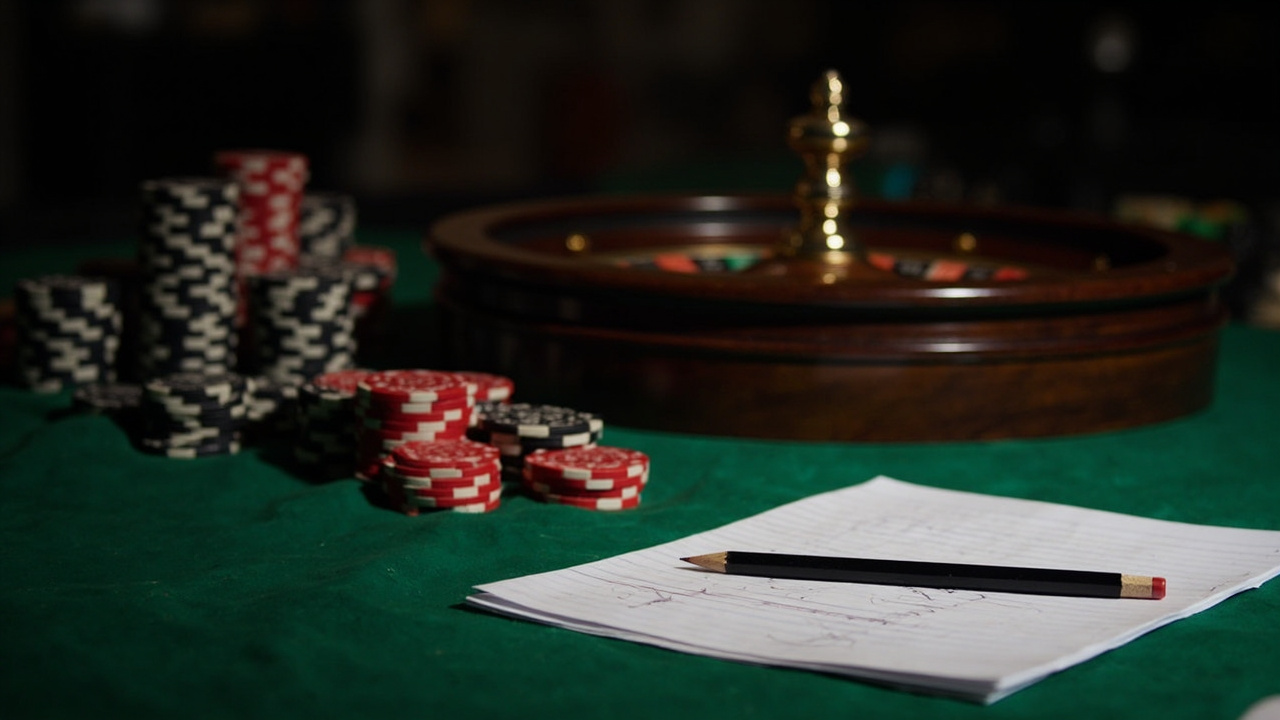
The Big 6 and Big 8 are simple proposition-style wagers that pay even money when a 6 or 8 is rolled before a 7. On a standard table you can place either bet directly, and some layouts offer them as standing bets you can leave up across several rolls. The appeal is obvious: the numbers 6 and 8 come up often enough to feel active, and the even-money return reads as straightforward to newcomers who are still learning the pass line and come bets. Французская рулетка и ставка на зеро:
From an operator’s standpoint, the real question is not whether the bet is simple, but whether it is being sold as a core play or as a side distraction. On a high-volume table, I want guests who understand the edge rather than those chasing a feeling of momentum. The Big 6 and Big 8 are not the same as the place 6 and place 8, which is where a lot of confusion creeps in. Place bets on 6 and 8 pay different odds and sit in a different part of the layout, so a guest who mixes the two without checking the payout is often betting against their own expectations. That is the kind of small mismatch that creates disputes at the stick and slows the whole table down.
A practical comparison helps separate the two before a guest commits chips.
| Bet type | Payout feel | Typical house edge | Where it sits on the layout |
|---|---|---|---|
| Big 6 | Even money on a 6 before a 7 | Higher than place 6 | Proposition/side area |
| Big 8 | Even money on an 8 before a 7 | Higher than place 8 | Proposition/side area |
| Place 6 | Different odds, pays on a 6 before a 7 | Lower than Big 6 | Place section |
| Place 8 | Different odds, pays on an 8 before a 7 | Lower than Big 8 | Place section |
The table is not here to sell a favourite, just to make the difference visible before money goes down. If a guest wants frequent action with a clear even-money read, Big 6 and Big 8 can fit a short, controlled session. If they want better value on the same numbers, the place bets are usually the more disciplined choice, and I would rather a guest ask that question early than argue about it after a losing run.
Where the Edge and the Risk Actually Sit
The most important thing to understand about craps big 6 big 8 explained in plain terms is that frequent hits do not equal favourable value. A 6 and an 8 do appear often relative to some other numbers, but the payout structure still leaves the house with a built-in advantage that compounds over a long session. That is the part I see guests underestimate when they treat these bets like a steady income line rather than a paid form of entertainment.
In a busy floor environment, the labour angle matters too. Side bets that feel simple can still generate repeat questions, payout confusion, and disputes when a guest conflates Big 6/Big 8 with place bets or with the broader odds structure around the pass line. Good table coverage is not about slowing the game down; it is about answering the right question before it becomes a complaint. When a dealer or floor supervisor can explain the difference in a sentence or two, the table keeps moving and the guest leaves with a clearer picture of what they paid for.
The responsible-play side is not a footnote here. Advertising restrictions aim to reduce exposure, especially for young people, and that is a sensible boundary because these bets can look more approachable than they really are. A clean explanation of the edge, the payout difference, and the session length is part of good guest service, not a sales trick. If a table environment is doing its job, the guest should be able to make a deliberate choice rather than a reactive one.
Old Las Vegas neon signs are preserved at the city’s “Neon Museum” boneyard, which is a nice reminder that the shine on a game is not the same as the substance underneath it. Craps tables can look vibrant and fast, but the disciplined play comes from knowing which bets are for short entertainment and which are for longer-term value. That distinction is what separates a controlled session from a messy one.
For guests comparing any live table environment with an online setting, it helps to read the setup carefully before committing time or money. spin samurai reviews in casino ratings can be a useful checkpoint when you are weighing how a platform presents its games, its terms, and its support, because presentation and actual terms do not always line up the way a headline suggests.
Player Fit: Who These Bets Suit and Who Should Skip Them
These bets suit a player who wants short, visible action on the 6 or 8 and is comfortable treating the house edge as the cost of that entertainment. They are not a good fit for someone who wants the best mathematical return on those numbers, because the place bets generally offer a cleaner deal on the same outcomes. They are also not a good fit for a guest who is already stretching a session budget and hoping a frequent number will rescue it.
If you are playing in a controlled way, the useful habit is to decide the role of the bet before the dice start. Are you paying for a bit of extra action, or are you trying to build a longer strategy around 6 and 8? Those are different intentions, and they should lead to different bet sizes and different stop points. A disciplined player treats the bet like a defined item in the session, not like a default that stays up because it feels busy. spin samurai reviews in casino ratings
Local context matters too. In a place like Cairns, where a visitor might be playing during a holiday stretch or a short trip, the temptation is to treat every table as part of the holiday rhythm rather than as a separate budget decision. That is understandable, but it is still worth keeping the session boundaries clear. A short, deliberate session with a clear exit point is usually better than a long one that drifts because the table feels lively.
If you are unsure how you are tracking, free confidential help is available for anyone worried about gambling, and there is no shame in using that kind of support early rather than after a session has already gone off shape. The best table decision is often the one that keeps the game enjoyable without letting it quietly become the main event of the day.
As Ethan Fraser, Marketing Director, Oceanic Gaming Strategy, puts it, the clearest guest messaging is the one that tells people what a bet is for before they put money on it, because clarity reduces confusion later. Andrew King, Head of Operator Partnerships, Capital Territory Gaming Forum, adds that operators should treat simple-looking bets as teaching moments, not as shortcuts, since a cleaner explanation usually saves more time on the floor than a fast pitch does. Charlotte Gibson, Managing Partner, Capital Territory Gaming Forum, also notes that responsible messaging works best when it is specific to the bet in front of the guest, not generic advice that could apply to anything on the floor.
Keeping the Session Clean
If you are going to use Big 6 or Big 8, the cleanest approach is to decide the bet’s role, keep the stake within a planned session limit, and know when it is just a bit of action rather than a core strategy. For value on the same numbers, place bets are usually the more disciplined option, and that is the comparison worth making before the first roll. The table should be there to support a deliberate choice, not to keep a guest leaning in longer than they intended.